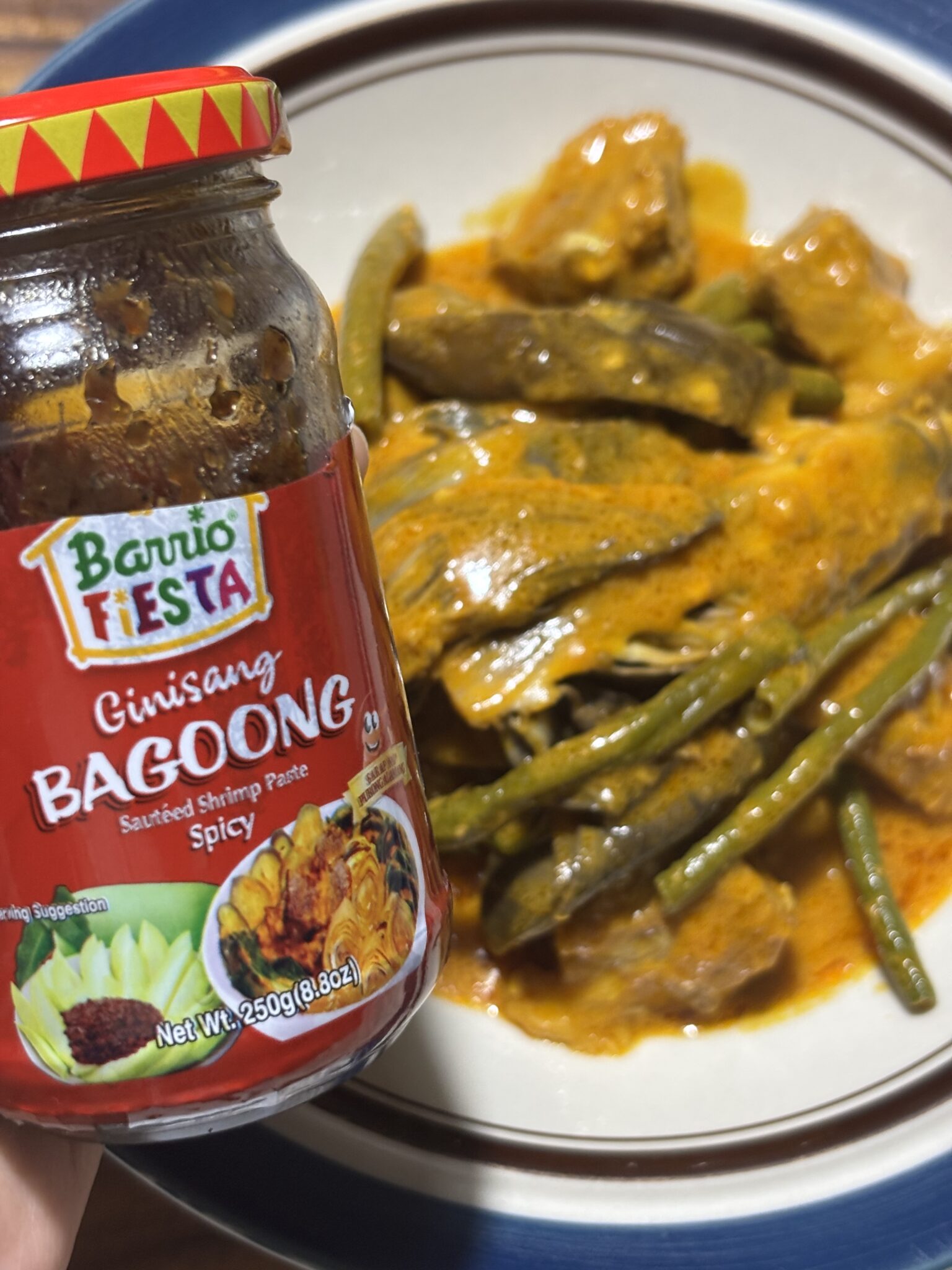
Kare-Kare is a rich peanut stew often cooked on special occasions in my home country, the Philippines. You will often find it in special gatherings. If this dish is paired with lechon or crispy pata and leche flan for dessert, that’s how you know you are at the right place. *wink*
I am naming this dish as “Kare-Kare of the Kings” since this is an heirloom recipe which I learned straight from the source herself, my loving aunt (my father’s sister) who cooks better than any other Michelin star chefs out there. I am also adding here (if that is ok with you) some basic cooking techniques I learned from Japan. This documentation aims to preserve family recipes and at the same time attempt to develop them…
Special thanks to our beloved aunt, Tita Yaying, for generously sharing her cooking wisdom last time I visited. I can’t wait to learn another recipe from her… I am now craving for ube latte so I need to learn how to make ube halaya– its key ingredient.
Let’s get started.
Ingredients for sautéing:
cooking oil
garlic
onion
oxtail (buntot ng baka); if not available, use any pressure-cooked beef chunks
anato powder
salt and pepper
Ingredients for the peanut stew:
Skippy or any peanut butter you like (we prefer Skippy because it is unsweetened)
dashi (or just pure drinking water)
sugar (to taste)
banana blossom or banana heart (optional for this may be hard to find)
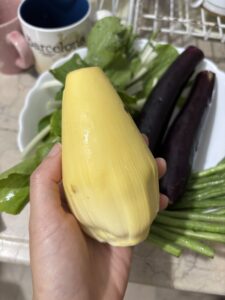
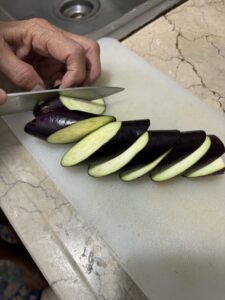
eggplants (at least two)
long beans or string beans (sitaw)
bok choy
bagoong (Filipino shrimp paste)
Procedure:
- Wash the vegetables.
- Sauté garlic, onion and beef. Add salt and pepper to taste.
- Then add anato powder. Set aside.
- On a separate pot or pan, blanch the banana heart (banana blossom), eggplants, and string beans for at least 10 minutes (until they get half-cooked). Then blanch the bok choy for at least 5 minutes.
- Reheat the sauteed ingredients then add peanut butter, dashi, and some sugar. Allow it to simmer.
- Add the blanched vegetables. (optional)
- Simmer until moisture gets released.
NOTES from Tita Yaying:
- The beef should be pressure-cooked or slowly boiled until tender. Oxtail (buntot ng baka) is your best option if you have access to it.
- Anato powder MUST be added while sauteing.
- The reason why the veggies must be blanched before adding them in is “para hindi magbantilawan”. (A direct quote from my aunt for proper documentation.) The logic behind it is to make sure the veggies get cooked until soft (not soggy, just right). If they are added after peanut butter is added, then the vegetables may not soften quite properly.
- Allow the vegetables to release water (moisture) after adding them last. This is how you know the dish is ready to be served.
NOTES from Asian Santa:
- Add dashi accordingly for a creamy consistency. Just water would do but dashi adds umami to the sauce. This is what I learned from Japan. They don’t use patis (fish sauce) like in Thailand or the Philippines, they want their umami freshly brewed from dried seaweeds and fish.
- For aesthetic plating, the vegetables may be placed last on top of the sauce. Similar to how Japan plates curry and rice.
- I did not add measurements for peanut butter and dashi for some may prefer to have lots of sauce.. If that’s you, feel free to mix more dashi and peanut butter (plus salt, pepper, anato powder and sugar).
Asian Santa
August 3, 2026
コメント