Looking back in 2025, the year of the fire snake, we have witnessed numerous disasters driven by climate crisis. Is the worst yet to come? I wonder.
In my home country, we have this expression suntok sa buwan (It literally means “punch the moon”). In this blog entry, I would like to share how we are attempting to save Mother Earth even if it’s just a mere attempt to punch the moon…
1. Reusables
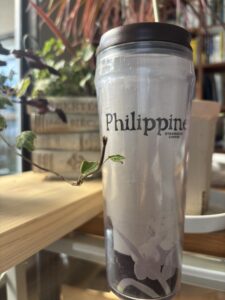
I received this reusable bottle as a parting gift (back in 2016) before going to Japan for work. Can you imagine how many PET bottles I have boycotted over the years? *wink*
2. Home Cooking
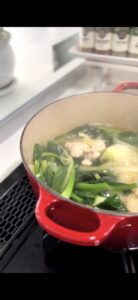
I guess I learned a lot from my grandmother (simply by watching her make food since I was a kid). Home cooked meals aren’t packaged nor wrapped in plastics. Also, ingredients are carefully curated. And grandma wouldn’t add any trans fat or additives like magic sugar in our food. *nuff said*
3. Shopping bag
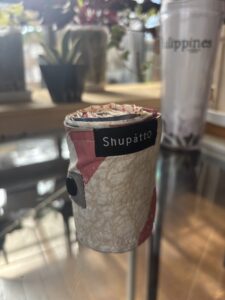
I received this as a parting gift from one of the schools I have worked for here in Japan. Can you imagine how many single-use plastics I didn’t have to spend money on (and care to dispose properly) for the past 5 years?
4. Refusing Single-Use Plastics
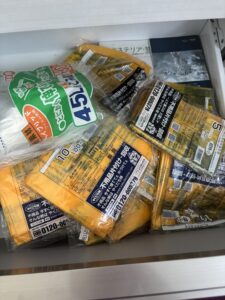
In my first year in Japan, I noticed that plastics have piled up under my kitchen sink. Since I moved from my first apartment, I swore I would NEVER allow myself to consume and dispose that much plastic ever again, so I would always tell the cashier not to wrap my purchases in plastic or I would just use the self-checkout counter when shopping.
5. Cleaning spray
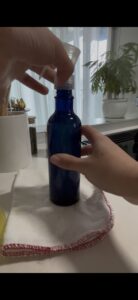
I first saw this from a YouTube channel named “creative explained” and then forgot about it. I decided to give it a try after a few years since noticing that we have an oversupply of lemon peels out of making lemonades. Here is what I learned from cleaning sprays… We don’t need too many types of cleaning agents. I think we all need to get back to baking soda, vinegar and salts.
6. Washing plastic wrappers
Early last year, Japan changed the way they would collect burnable trash. Plastics wrappers that are sometimes greasy (vacuum-sealed sausages, bacon or even bags of potato chips) which used to get mixed up with biodegradable trash and are burned in incineration plants, now have to be washed, dried and be discarded as a separate group of soft plastics.
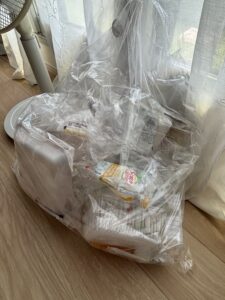
This new policy pushed us to level up our way of disposing garbage by simply composting fruits and vegetable peel. This way, we would throw away less garbage weekly.
As I write this, I realized that if we change to a healthier diet (ditching potato chips and processed food like bacon and sausage), then we can live a healthier life while disposing less trash. Win-win.
7. Composting
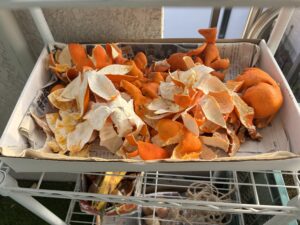
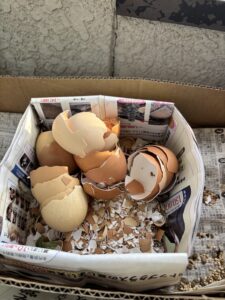
Do not throw away the gold.
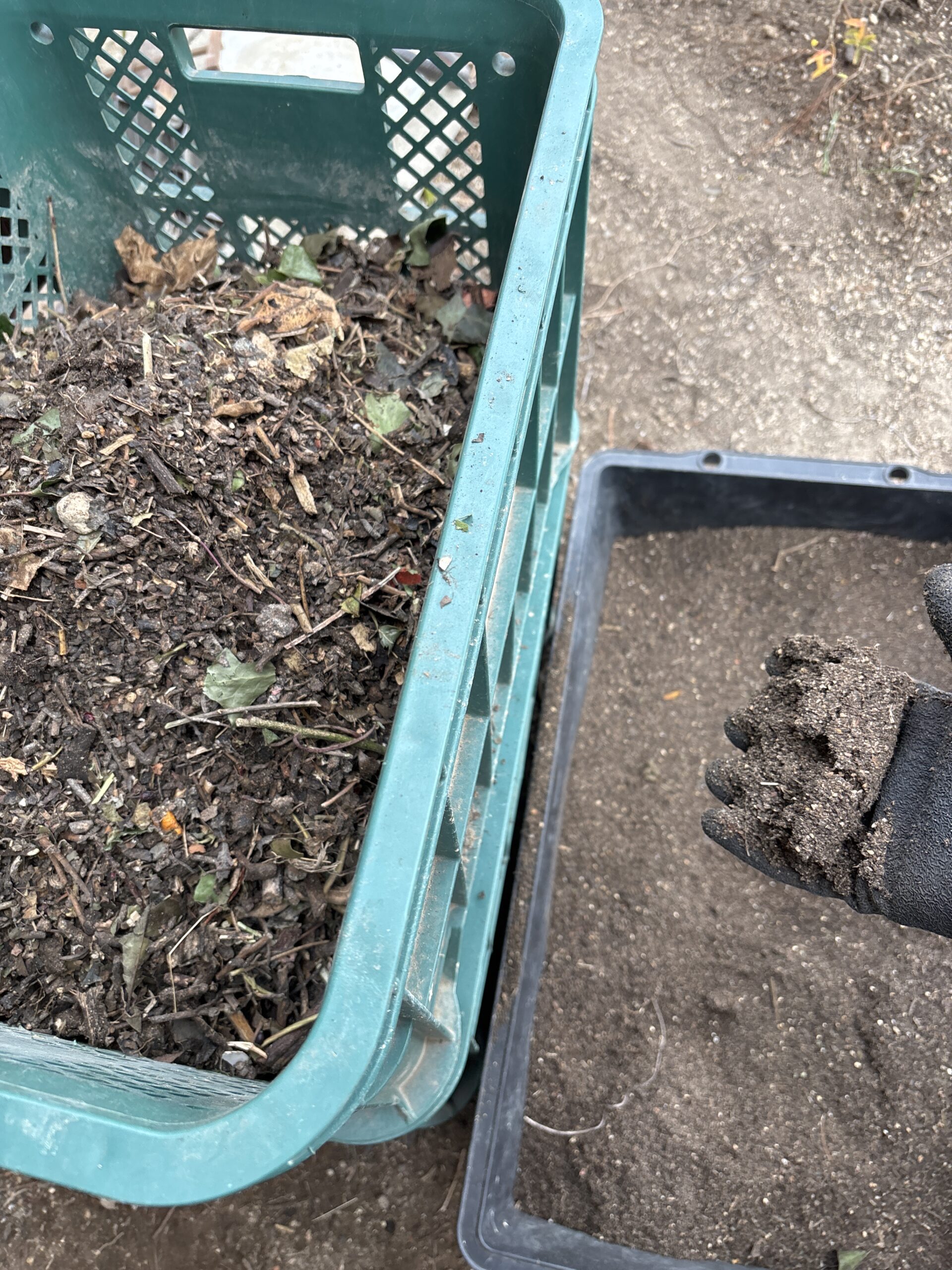
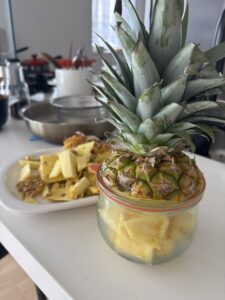
Fruit and vegetable peels are nutrient-dense (actually, if they are organic, nutrition experts do recommend that we eat the peel too.) We started composting in spring of 2025.. This only motivated us to refuse even more plastics. For example, we will buy the whole fruit or vegetable (pineapples, melons, cabbages) instead of their cut versions wrapped in plastics.
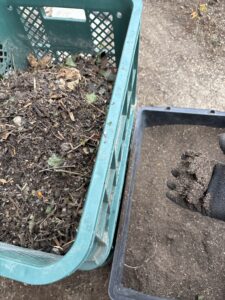
This winter season, the biodegradable garbage turned into some mineral-rich black soil for our garden. (My husband worked so hard for this black soil.)
9. Coffee Bean Jar and Brewing our Own Cups of Coffee
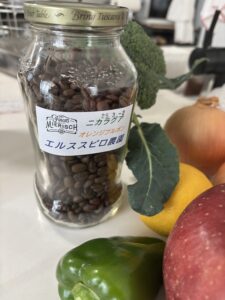
I started collecting jars from Tuscany where my favorite brand of tomato sauce is sourced for the past six years. (I don’t know what happened but they suddenly disappeared from the grocery shelves recently. But I’m happy to have collected their jars over the years.)
I use them for aesthetically storing kitchen staples like pasta, sugar, salt, tea and coffee… Recently, I was able to convince a nearby coffee roaster to place their freshly roasted beans straight to my favorite jar last March 2025. I guess the owner was happy, he could somehow save expenses on plastic packaging? (We honestly don’t need the plastic packaging since the beans would only go straight to my Tuscany jars anyway.)
Japan annually spends a whopping 375 Billion (according to TEDxAPU speaker Akira Sakano) on garbage management…
If only people care the way we attempt to care, then perhaps problems with collecting and utilizing national revenue may be directed to more important things like healthcare, humanitarian aide or transitioning to a sustainable economy.. perhaps the xenophobes won’t need to push people away and/or blame outsiders for their own shortcomings.
Asian Santa
February 22, 2026
コメント